



DDR1
DDR1 is a collagen-activated receptor tyrosine kinase that transduces collagen binding into signaling controlling adhesion, proliferation, differentiation, migration, and matrix homeostasis[1]. Mechanistically, DDR1 responds to triple-helical collagen through slow, sustained autophosphorylation, while N-glycosylation at Asn211 restrains ligand-independent phosphorylation[2]. DDR1 signaling connects extracellular matrix sensing to MAPK, PI3K/Akt, NF-κB, RhoA/ROCK/MAPK/ERK, and PI3K/AKT/mTOR pathways in inflammatory and fibrotic disease models[3][4][5]. In cancer models, collagen I-activated DDR1 promotes N-cadherin up-regulation in pancreatic cancer, migration and invasion in hepatocellular carcinoma cells, and chemoresistance signaling in breast cancer cells[6][7][8]. Compared with related isoforms, DDR1b, but not DDR1a, mediates collagen I-induced N-cadherin up-regulation through Tyr513, Shc1, and Pyk2 coupling in pancreatic cancer cells[6]. Compared with DDR2, DDR1 inhibition, but not DDR2 inhibition, reduced collagen I expression and improved macromolecular delivery in a 3D pancreatic ductal adenocarcinoma fibrosis model[5]. For experimental applications, imatinib, ponatinib, and DDR1-IN-1 inhibit DDR kinases, and DDR1-IN-1 shows structural selectivity and induces autophagy-associated necroptotic death in malignant peripheral nerve sheath tumor cells[9][10].
References:
- [1]. Kothiwale S, et al. Discoidin domain receptor 1 (DDR1) kinase as target for structure-based drug discovery. Drug Discov Today. 2015 Feb;20(2):255-61. [Content Brief]
- [2]. Schmoldt A, et al. Digitoxin metabolism by rat liver microsomes. Biochem Pharmacol. 1975 Sep 1;24(17):1639-41. [Content Brief]
- [3]. Dagamajalu S, et al. A network map of discoidin domain receptor 1(DDR1)-mediated signaling in pathological conditions. J Cell Commun Signal. 2023 Sep;17(3):1081-1088. [Content Brief]
- [4]. El Azreq MA, et al. Discoidin domain receptor 1 promotes Th17 cell migration by activating the RhoA/ROCK/MAPK/ERK signaling pathway. Oncotarget. 2016 Jul 19;7(29):44975-44990. [Content Brief]
- [5]. Ohira M, et al. Collagen Signaling via DDR1 Exacerbates Barriers to Macromolecular Drug Delivery in a 3D Model of Pancreatic Cancer Fibrosis. Small. 2025 Dec;21(50):e06926. [Content Brief]
- [6]. Huang H, et al. Up-regulation of N-cadherin by Collagen I-activated Discoidin Domain Receptor 1 in Pancreatic Cancer Requires the Adaptor Molecule Shc1. J Biol Chem. 2016 Oct 28;291(44):23208-23223. [Content Brief]
- [7]. Park H S, et al. Overexpression of discoidin domain receptor 1 increases the migration and invasion of hepatocellular carcinoma cells in association with matrix metalloproteinase[J]. Oncology reports, 2007, 18(6): 1435-1441.
- [8]. Baltes F, et al. Targeting Discoidin Domain Receptor 1 (DDR1) Signaling and Its Crosstalk with β1-integrin Emerges as a Key Factor for Breast Cancer Chemosensitization upon Collagen Type 1 Binding. Int J Mol Sci. 2020 Jul 13;21(14):4956. [Content Brief]
- [9]. Canning P, et al. Structural mechanisms determining inhibition of the collagen receptor DDR1 by selective and multi-targeted type II kinase inhibitors. J Mol Biol. 2014 Jun 26;426(13):2457-70. [Content Brief]
- [10]. Lai GY, et al. Discoidin domain receptor inhibitor DDR1-IN-1 induces autophagy and necroptotic cell death in malignant peripheral nerve sheath tumor. Cell Death Discov. 2025 Mar 1;11(1):83. [Content Brief]
-
DDR1 Related Products (21)
Related Products (21)

-
Recombinant Proteins (12)
- 1
- 2
-
Sitravatinib
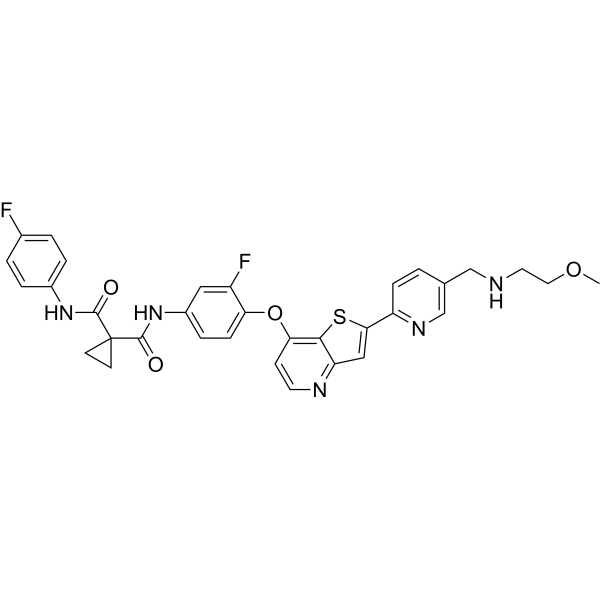 0 ImagesSynonyms: MGCD516; MG-516Sitravatinib (MGCD516) is an orally bioavailable receptor tyrosine kinase (RTK) inhibitor with IC50s of 1.5 nM, 2 nM, 2 nM, 5 nM, 6 nM, 6 nM, 8 nM, 0.5 nM, 29 nM, 5 nM, and 9 nM for Axl, MER, VEGFR3, VEGFR2, VEGFR1, KIT, FLT3, DDR2, DDR1, TRKA, TRKB, respectively. Sitravatinib shows potent single-agent antitumor efficacy and enhances the activity of PD-1 blockade through promoting an antitumor immune microenvironment.
-
GLPG3312
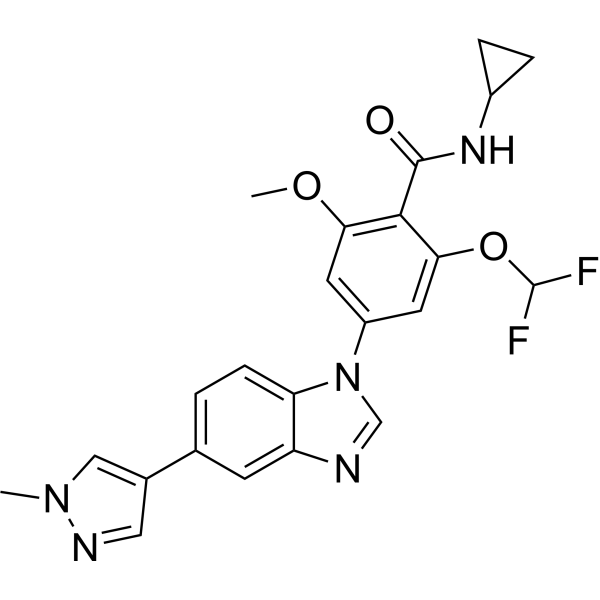 0 ImagesGLPG3312 (Compound 28) is an orally active SIK inhibitor with IC50 values of 2.0 nM, 0.7 nM and 0.6 nM for SIK1, SIK2 and SIK3, respectively. GLPG3312 exhibits anti-inflammatory and immunomodulatory activity in vitro on human primary myeloid cells and in vivo in mouse models. GLPG3312 has good oral bioavailability and can be used for research on inflammatory and immune diseases.
-
VU6015929
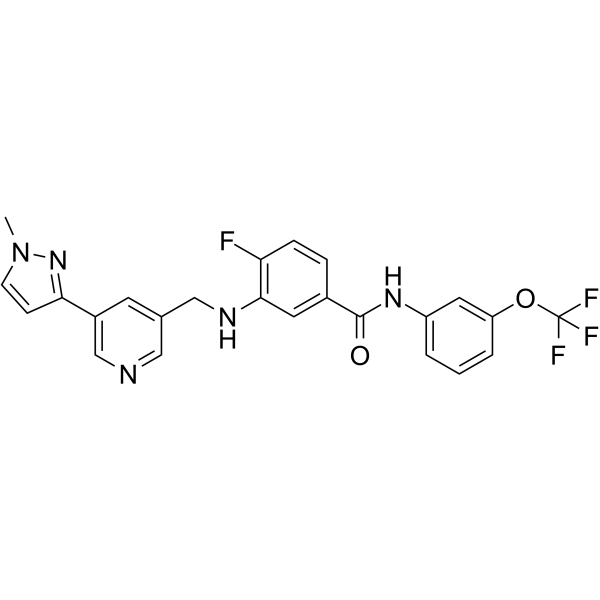 0 ImagesVU6015929 is a potent, selective and orally active dual discoidin domain receptor 1/2 (DDR1/2) inhibitor with IC50s of 4.67 nM and 7.39 nM, respectively. VU6015929 potently blocks collagen-induced DDR1 activation and collagen-IV production.
-
DDR1-IN-4
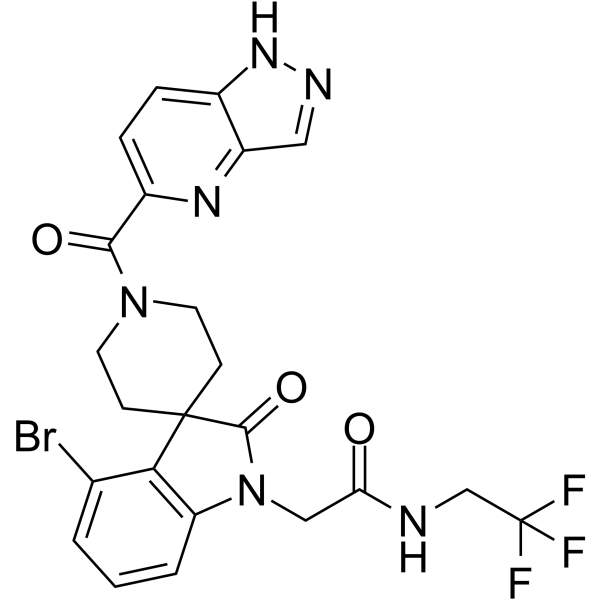 0 ImagesDDR1-IN-4 (Compound 2.45) is a selective and potent Discoidin Domain Receptor 1 (DDR1) autophosphorylation inhibitor, with IC50 values of 29 nM and 1.9 μM for DDR1 and DDR2, respectively.
-
Collagen (bovine skin)
 0 ImagesCollagen (bovine skin) is a three-dimensional cell culture matrix and morphoregulator extracted from bovine skin, which binds to integrins (such as α1β1, α2β1, α11β1) and discoidin domain receptors (DDR1 and DDR2). Collagen (bovine skin) can be reconstituted into a three-dimensional fibrous network to mimic the in vivo tissue environment. It can not only be modified through cross-linking or concentration adjustment, but also interact with fibronectin to enhance matrix-associated cellular activities. Collagen (bovine skin) mediates the proliferation, aggregation, durotactic migration and differentiation of fibroblasts, regulates the synthesis, remodeling and contraction of extracellular matrix, and modulates the expression, activation of MMP as well as cell apoptosis, etc. Collagen (bovine skin) can be used in studies related to the mechanisms of cancer occurrence and development.
-
AP4-43
 0 ImagesCat. No.: HY-183068Purity: 99.76%AP4-43 is an orally active CLK1, CLK4, PI3K, DDR1, EGFR and NEK4 inhibitor. AP4-43 reduces growth of mammalian colorectal cancer organoids. AP4-43 improves survival in a transgenic Drosophila model of KRAS-mutant colorectal cancer. AP4-43 can be used for the research of KRAS-mutant colorectal cancer.


-
DDR1-IN-6
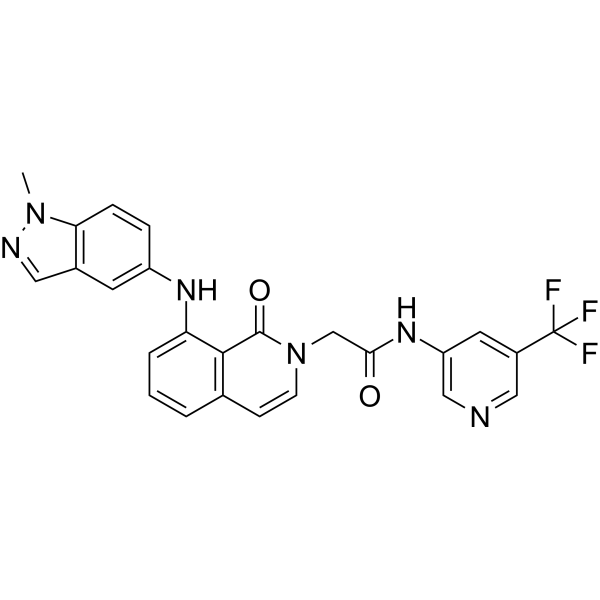
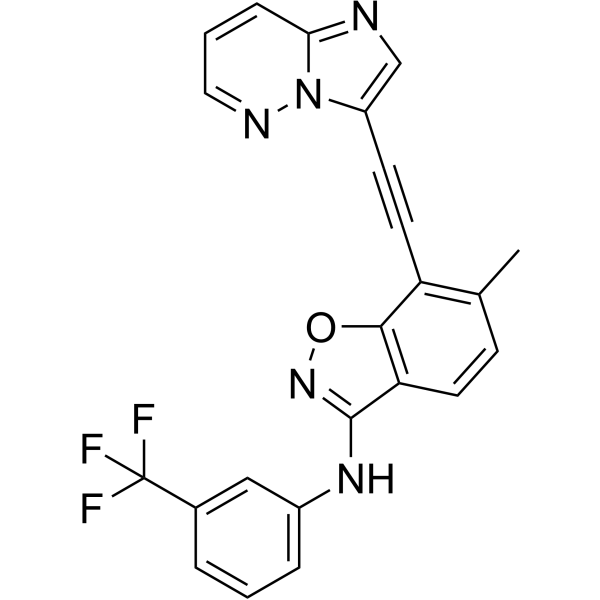 0 ImagesDDR1-IN-6 is a selective Discoidin Domain Receptor family, member 1 (DDR1) inhibitor with an IC50 of 9.72 nM. DDR1-IN-6 inhibits auto-phosphorylation DDR1b (Y513) with an IC50 of 9.7 nM. DDR1-IN-6 has anti-cancer activity. DDR1-IN-6 is a click chemistry reagent, it contains an Alkyne group and can undergo copper-catalyzed azide-alkyne cycloaddition (CuAAc) with molecules containing Azide groups.
-
DDR1-IN-5
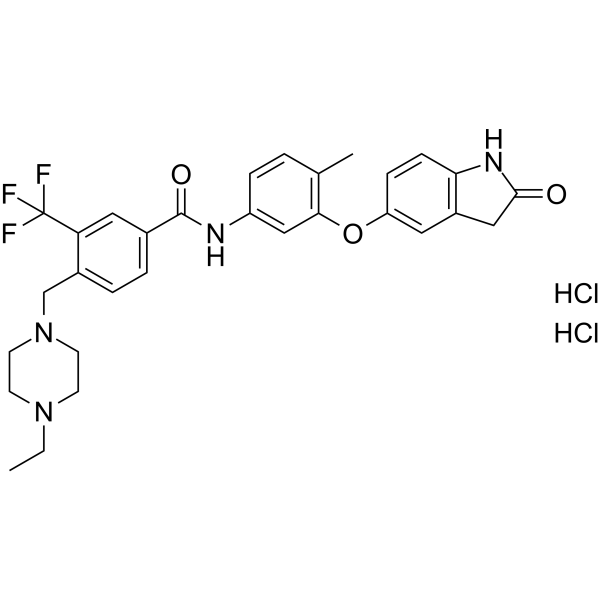
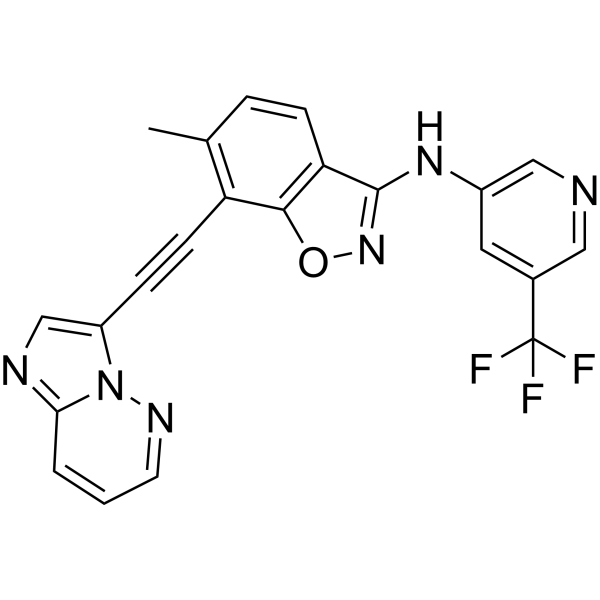 0 ImagesDDR1-IN-5 is a selective Discoidin Domain Receptor family, member 1 (DDR1) inhibitor with an IC50 of 7.36 nM. DDR1-IN-5 inhibits auto-phosphorylation DDR1b (Y513) with an IC50 of 4.1 nM. DDR1-IN-5 has anti-cancer activity. DDR1-IN-5 is a click chemistry reagent, it contains an Alkyne group and can undergo copper-catalyzed azide-alkyne cycloaddition (CuAAc) with molecules containing Azide groups.
-
PROTAC DDR1 degrader-1
 0 ImagesPROTAC DDR1 degrader-1 is a potent and selective DDR1-targeting PROTAC degrader. PROTAC DDR1 degrader-1 selectively induces full-length DDR1 degradation via the ubiquitin proteasome system, blocking downstream signaling pathways. PROTAC DDR1 degrader-1 inhibits tumor cell migration and invasion. PROTAC DDR1 degrader-1 exhibits anti-tumor activity in mice. PROTAC DDR1 degrader-1 can be used for the research of DDR1-driven cancers.
-
SR-302
 0 ImagesSR-302, a chemical probe, is a potent and selectivity DDR/p38 inhibitor, with IC50 values of 0.125, 0.023 and 0.018 μM for p38α, DDR1 and DDR2, respectively. SR-302 can be used for the research of fibrotic disorders, such as renal and pulmonary fibrosis, atherosclerosis, and various forms of cancer.
-
Sitravatinib malate
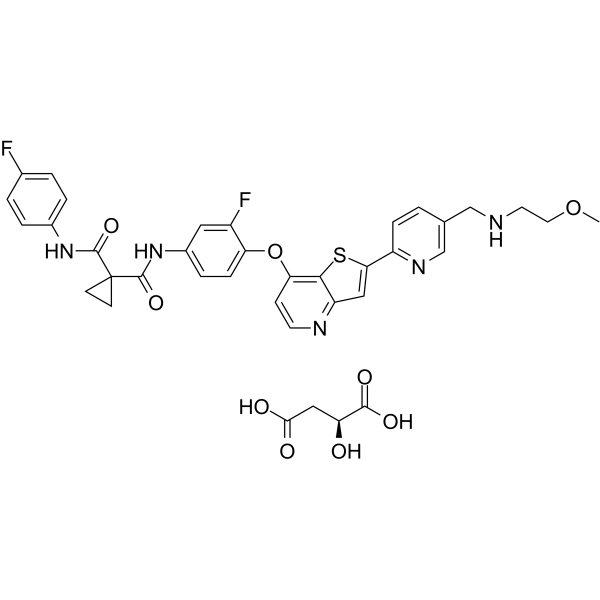 0 ImagesCat. No.: HY-16961ACAS No.: 2244864-88-6Synonyms: MGCD516 malate; MG-516 malateSitravatinib malate (MGCD516 malate) is an orally bioavailable receptor tyrosine kinase (RTK) inhibitor with IC50s of 1.5 nM, 2 nM, 2 nM, 5 nM, 6 nM, 6 nM, 8 nM, 0.5 nM, 29 nM, 5 nM, and 9 nM for Axl, MER, VEGFR3, VEGFR2, VEGFR1, KIT, FLT3, DDR2, DDR1, TRKA, TRKB, respectively. Sitravatinib malate shows potent single-agent antitumor efficacy and enhances the activity of PD-1 blockade through promoting an antitumor immune microenvironment.
-
Axl-IN-21
 0 ImagesCat. No.: HY-179535CAS No.: 1958081-87-2Axl-IN-21 is an orally active and selective AXL inhibitor (Kd = 2.7 nM, IC50 = 4.0 nM). Axl-IN-21 displays kinase selectivity and retains strong activity against cancer-related mul-kinases (Mer with Kd = 1.4 nM, DDR1 with IC50 = 22.2 nM, HIPK4 with Kd = 11.0 nM and LOK with Kd =10 nM). Axl-IN-21 overcomes tumor microenvironment-driven resistance by blocking CAF-derived GAS6-induced AXL/STAT3/ABCG1 signaling, restoring chemosensitivity and inhibiting drug efflux in gastric cancer (GC). Axl-IN-21 suppresses TGF-β1-induced epithelial-mesenchymal transition (EMT), migration, and invasion in MDA-MB-231 cells. Axl-IN-21 exhibits no significant cytotoxicity in non-cancerous cells. Axl-IN-21 can be research for triple negative breast cancer and gastric cancer[1] [2] .
-
DDR1/2 IN-4
 0 ImagesCat. No.: HY-181839CAS No.: 3027967-95-6DDR1/2 IN-4 (Compound 37) is a selective dual DDR1 and DDR2 kinase inhibitor, with a pKi of 8.6 for DDR1 and a pKi of 8.2 for DDR2. DDR1/2 IN-4 functionally inhibits the kinase activities of DDR1 and DDR2. DDR1/2 IN-4 inhibits the release of MCP-1. DDR1/2 IN-4 can be used in studies related to idiopathic pulmonary fibrosis.
-
DDR1-IN-11
 0 ImagesCat. No.: HY-173284CAS No.: 639089-54-6DDR1-IN-11 (Compound 4) is an inhibitor of Discoidin domain receptor 1 (DDR1) with an IC50 of 46.16 nM. DDR1-IN-11 can achieve an inhibition rate of 99.86% against Z-138 cells at a concentration of 10 μM, and it can be used in the research of acute myeloid leukemia (AML).
-
DDR1 ligand 1
 0 ImagesCat. No.: HY-176185DDR1 ligand 1 is a PROTAC target protein ligand (Ligands for Target Protein for PROTACs). DDR1 ligand 1 can be used for the synthesis of PROTAC DDR1 degrader-1 (HY-176184).
-
DDR1-IN-8
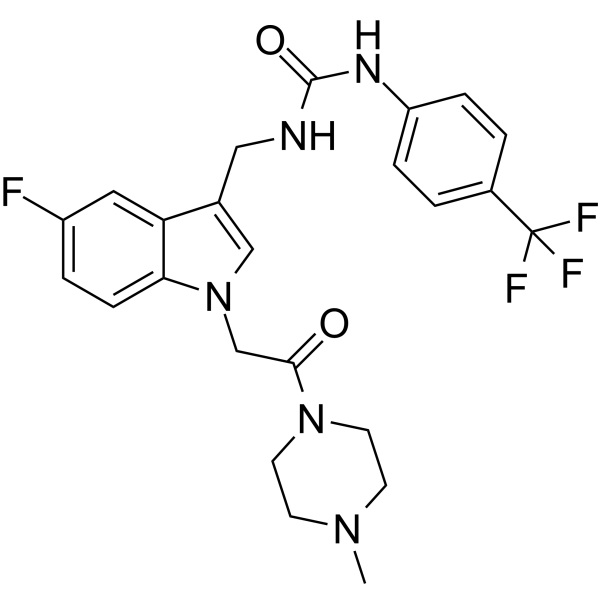 0 ImagesCat. No.: HY-162102CAS No.: 3038810-92-0DDR1-IN-8 (compound 7s) is a potent inhibitor of DDR1/2, with the IC50 values of 0.045 μM and 0.126 μM, respectively. DDR1-IN-8 has anti-tumor activity.
- 1
- 2




